
YIDIMU - SHENZHEN
R&D, Manufacturing & Application Validation
YIDIMU connects resin 3D printer development, equipment preparation, printer-and-material matching, representative print testing, post-processing and technical support around the requirements of the finished part.
FROM EQUIPMENT DEVELOPMENT TO PRINTED PARTS
The printer is only one part of the result.
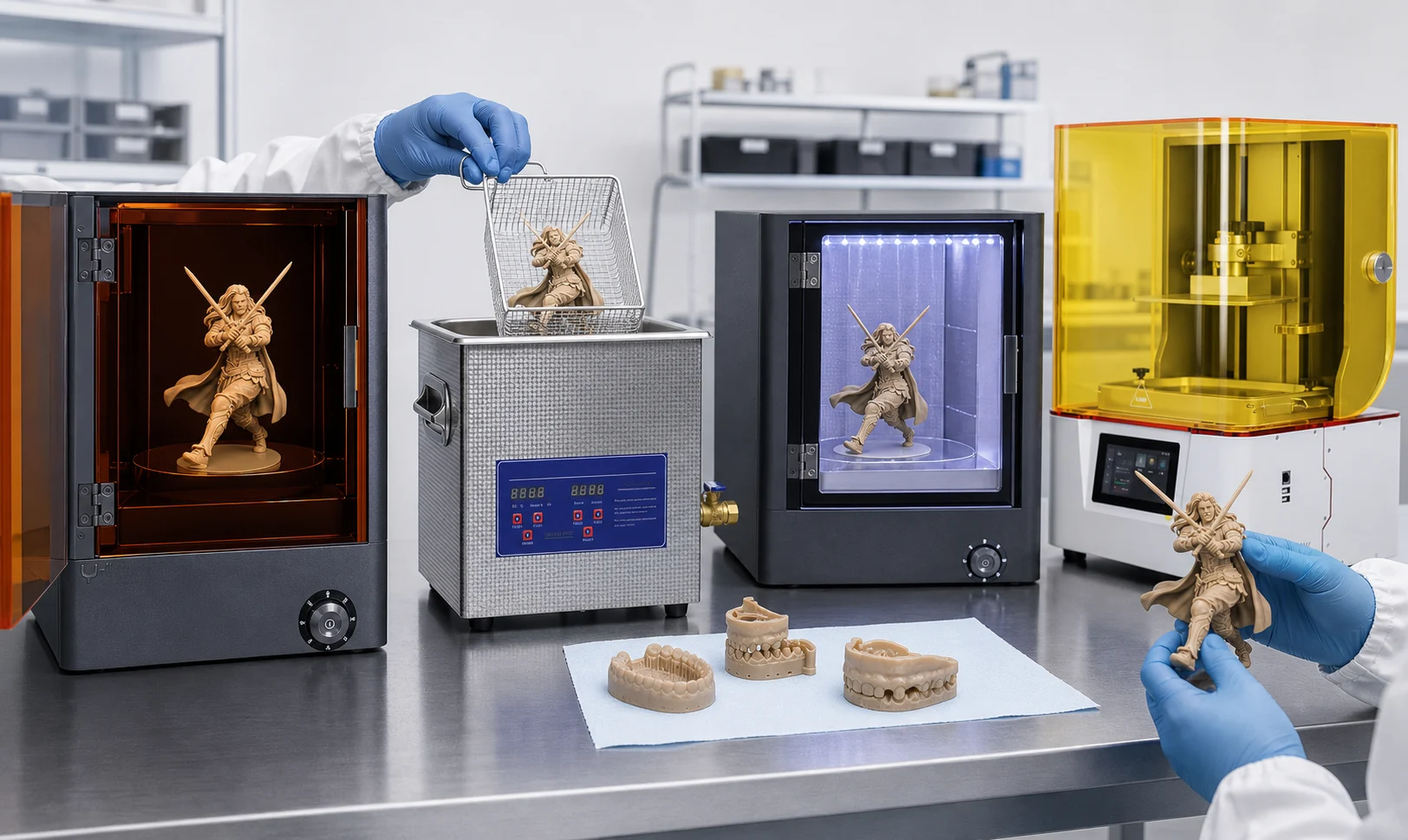
Part geometry, resin selection, print preparation, the printing process, washing, complete drying, UV post-curing and final inspection all influence whether a printed part is suitable for its intended evaluation task.
PRODUCT DEVELOPMENT & ENGINEERING
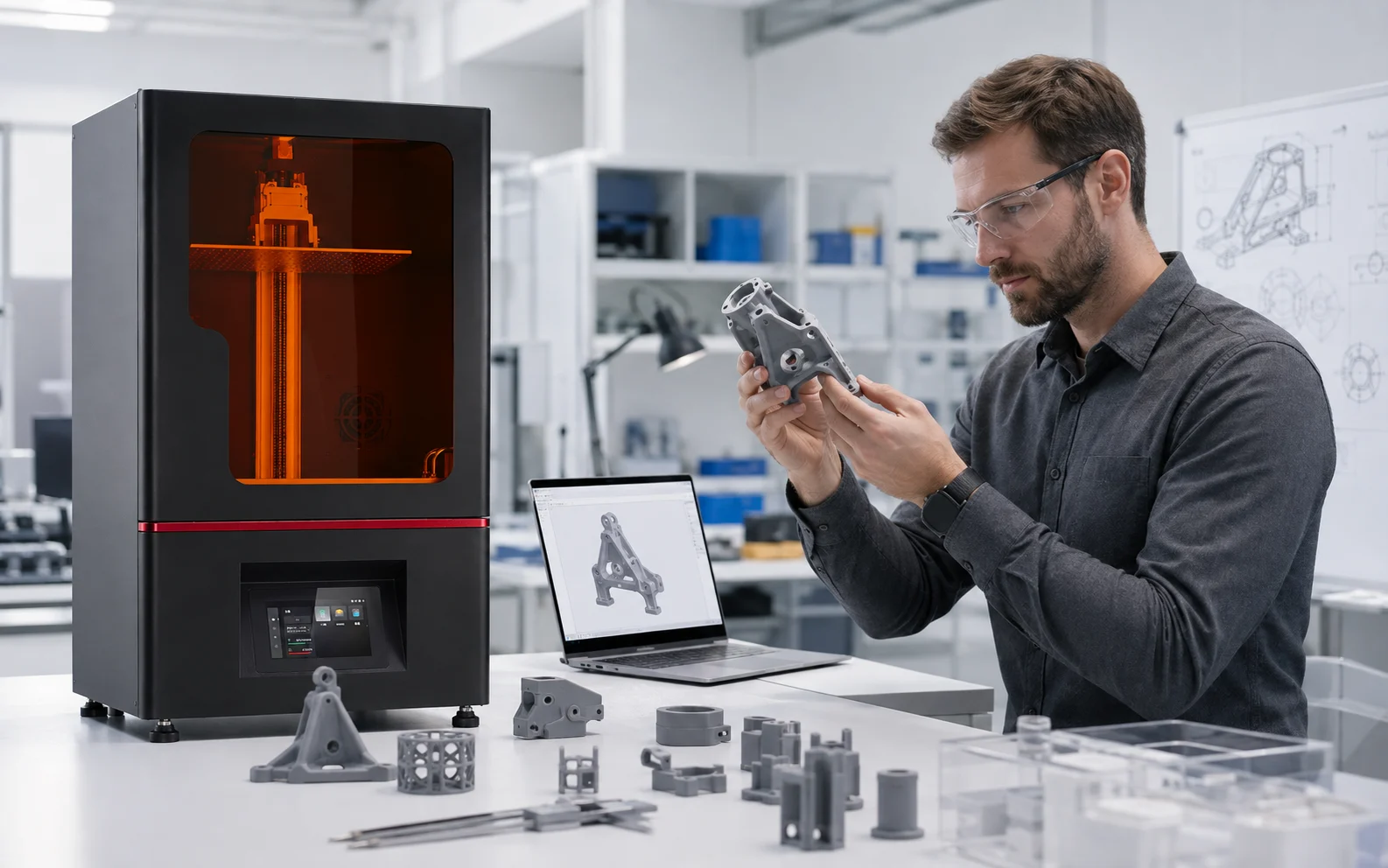
Start with the application, then define the system around it.
Equipment selection is more useful when it begins with the part rather than a single headline specification. Model size, geometry, material behavior, surface expectations, quantity and downstream handling all affect the practical printer-and-resin combination.
- Review the model and intended application.
- Match equipment and resin to the required part type.
- Use representative printing when a real part can clarify the decision.
- Carry the discussion through post-processing and inspection.
EQUIPMENT MANUFACTURING & SYSTEM PREPARATION
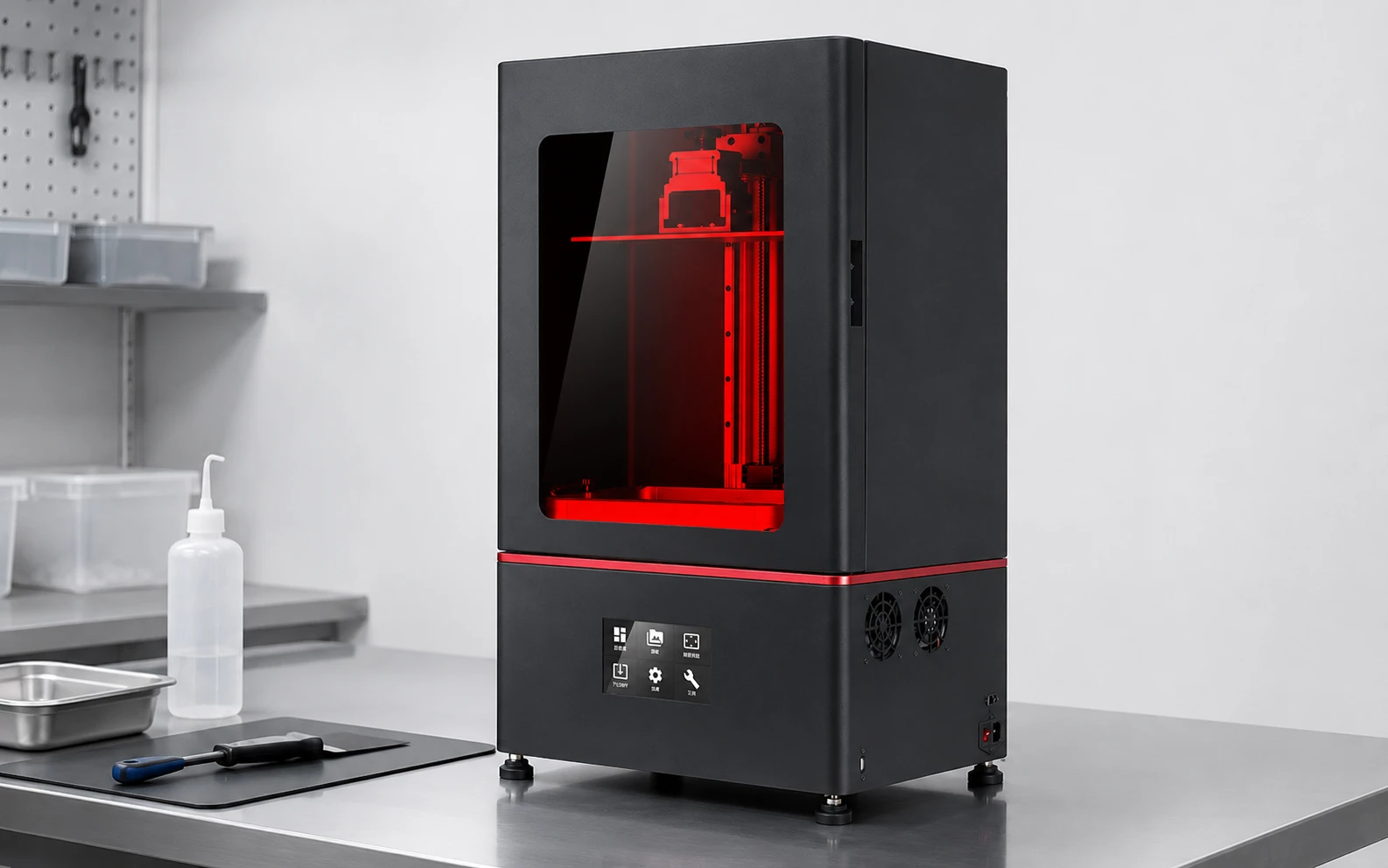
From printer configuration to a system prepared for application work.
Resin 3D printing equipment brings mechanical, electrical, optical, software and material considerations together in one working system. YIDIMU's customer-facing workflow therefore connects equipment preparation with the application that the printer is expected to handle.
Where a project has specific model, material or production requirements, those requirements can be reviewed before equipment selection rather than treated as a separate step after purchase.
FUNCTIONAL VERIFICATION
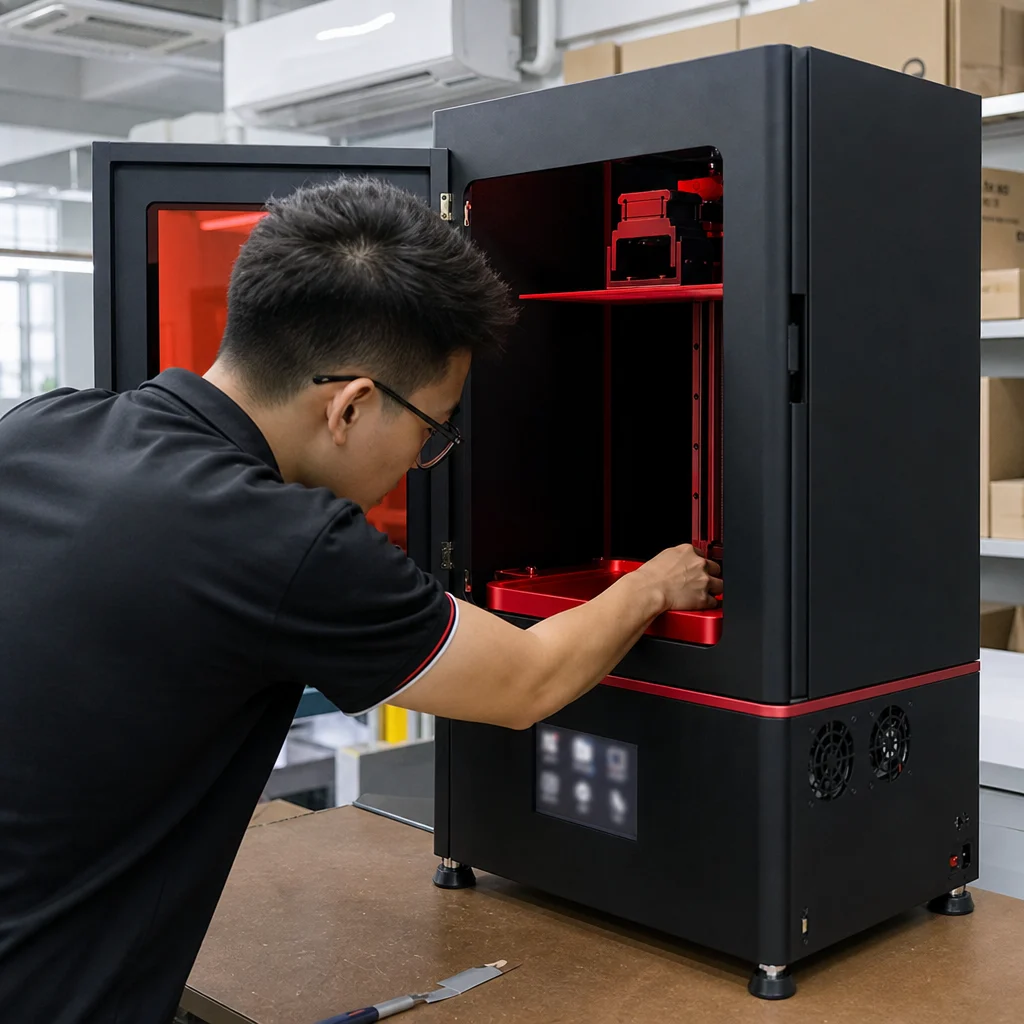
Check the system through the work it needs to perform.
Functional verification should support the intended printing workflow without turning unpublished internal acceptance criteria into marketing claims. The practical focus is whether the configured printer, material and process can be evaluated against representative parts and normal operating tasks.
- Printer and resin compatibility for the intended workflow.
- Build preparation and normal printing operation.
- Post-processing requirements for the selected resin.
- Part inspection after the complete workflow.
REPRESENTATIVE PRINT TESTING
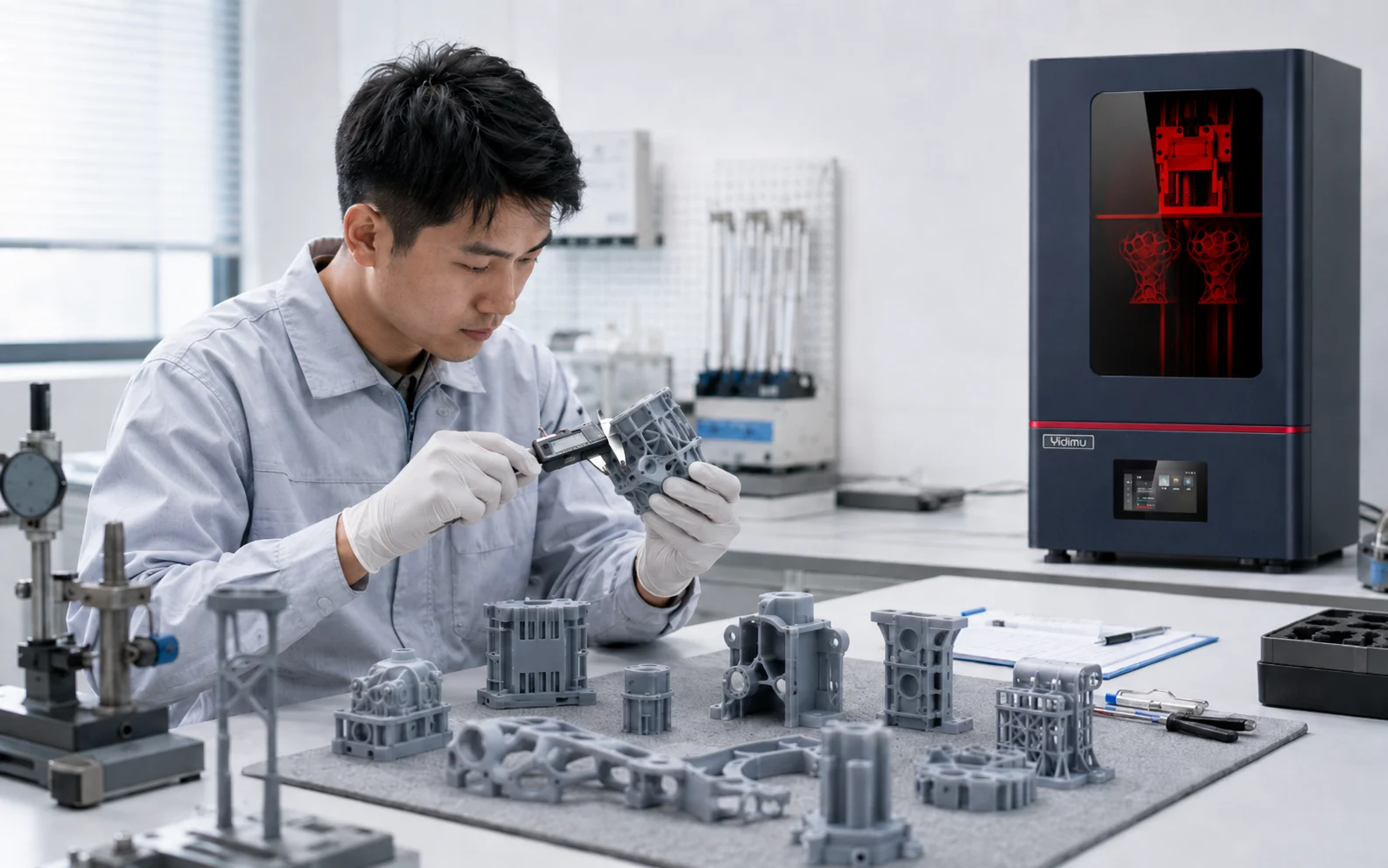
Use real geometry to make equipment and material decisions more concrete.
A representative model can reveal questions that are difficult to judge from a product specification alone. Depending on the part, evaluation may focus on external geometry, holes, ribs, thin features, interfaces, assembly areas, flexible structures or dental-model detail.
For projects that need sample review, share the model, dimensions, material requirement, quantity and intended application so the evaluation can begin with the actual part.
COMPLETE RESIN WORKFLOW
A printed part is finished after the process, not when the build stops.
The useful workflow continues through washing, complete drying, UV post-curing where required, and inspection. Keeping these stages connected helps the sample or production part reflect the material and application being evaluated.
PRODUCT FAMILIES
Connect the part to the right product family.
YIDIMU's English site groups current equipment and materials by industrial, flexible, dental, resin and post-processing categories.
QUALITY, DOCUMENTATION & SUPPORT
Keep technical information connected to the equipment lifecycle.
Product selection, application validation and routine operation are supported by the documentation and support resources published on the YIDIMU English website. Use the current source page for the latest applicable details rather than relying on a general capability statement.
START WITH YOUR PART
Bring the model into the equipment discussion.
Send the model, overall dimensions, material requirement, quantity and intended application. These details provide a more useful starting point for printer, resin, sample and post-processing evaluation.