
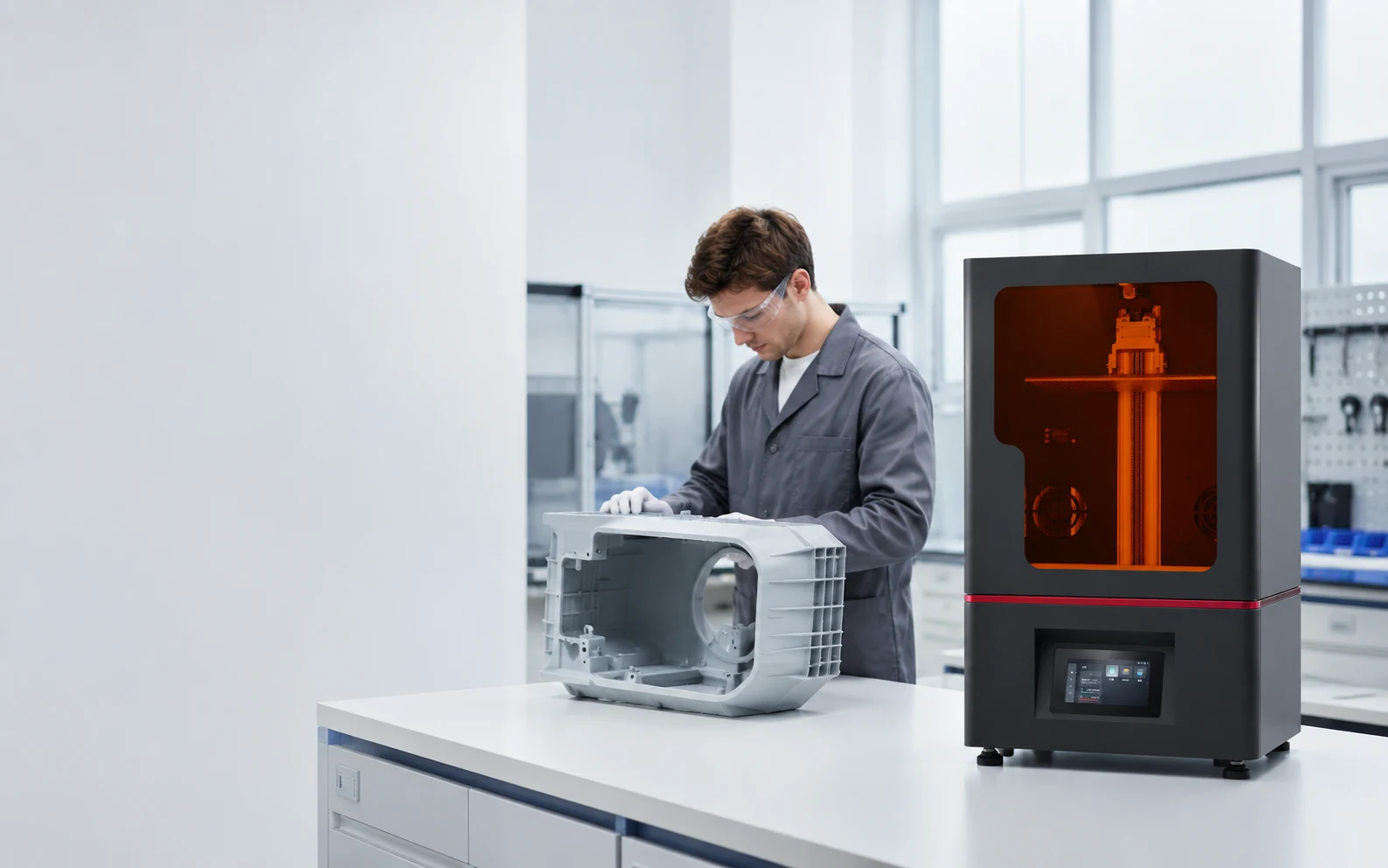
Industrial Resin 3D Printing
Industrial Resin 3D Printers for Engineering & Production
Build engineering prototypes, larger resin parts, assembly-validation models, jigs and fixtures, multi-part layouts and suitable low-volume production batches with YIDIMU industrial LCD resin printing systems.
Application Snapshot
Match the printer to the part and the production task
Industrial resin printing is most useful when the equipment, resin, part geometry, build preparation and post-processing workflow are evaluated together.
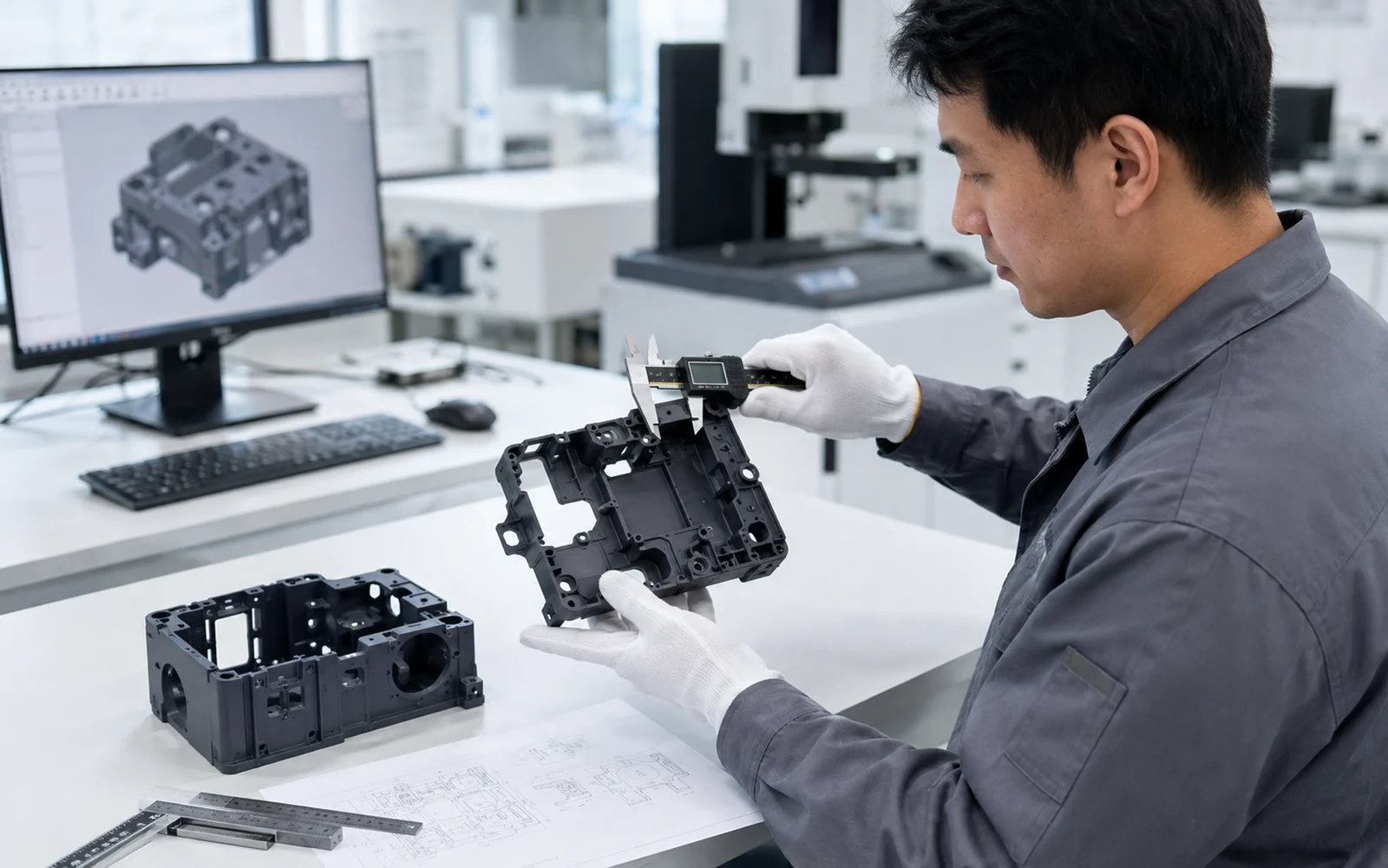
Start with the Part
Printer selection begins with what you need to make
A useful equipment recommendation should be based on the real part rather than a single headline specification. Send the model or describe the geometry, then evaluate the build envelope, critical interfaces, resin requirements and the finished-part objective.
- Overall part dimensions
- Geometry and orientation constraints
- Holes, slots and thin features
- Material requirements
- Quantity and layout needs
- Surface requirements
- Fit and dimensional requirements
- Finished-part function
Industrial Printer Comparison
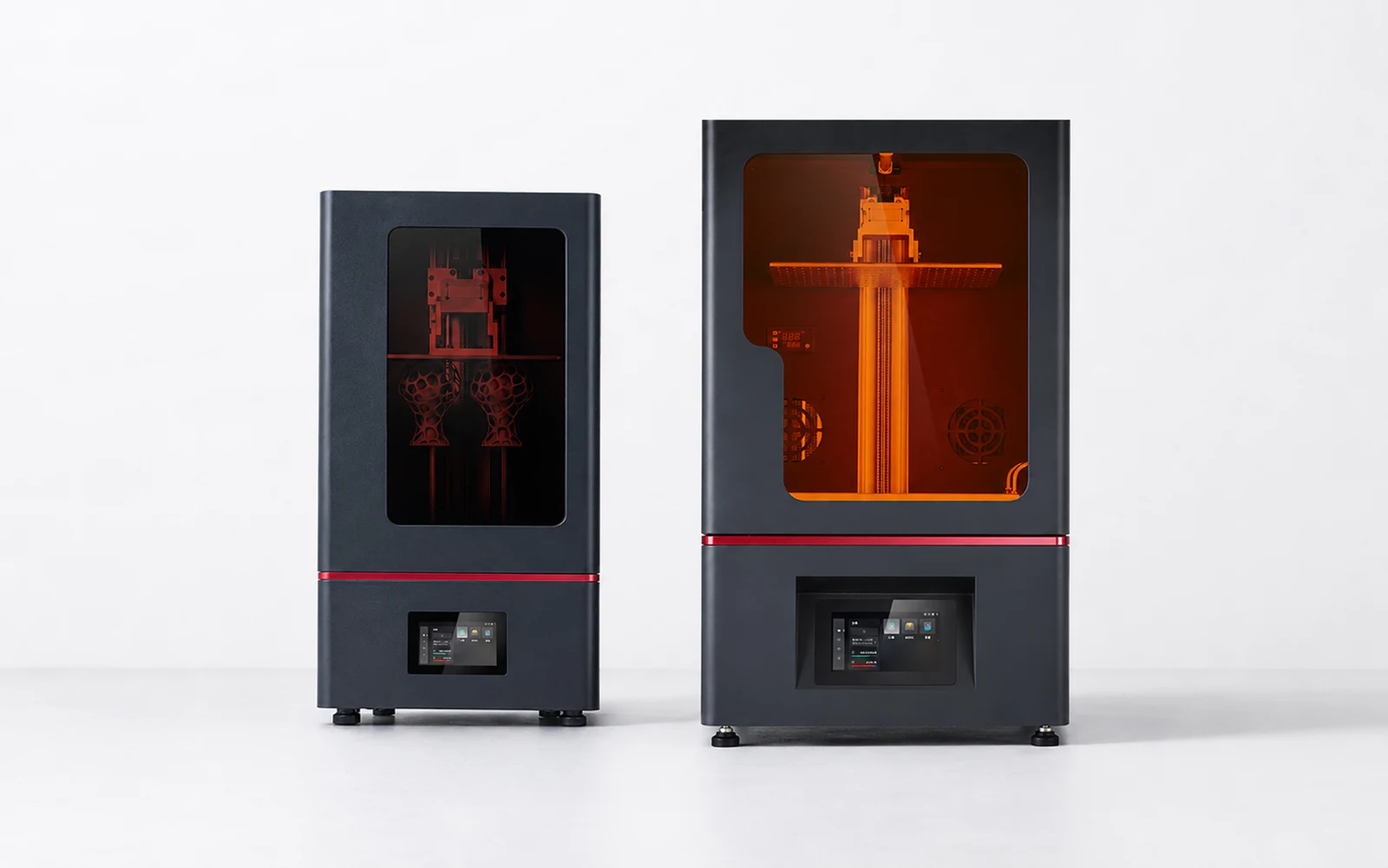
Eternal M1 vs Eternal M2
M1 and M2 serve different build-size requirements. The comparison below uses fields published on current YIDIMU product information and avoids transferring specifications from one machine to the other.
| Specification | Eternal M1 | Eternal M2 |
|---|---|---|
| Build volume | 298(L) × 165(W) × 370(H) mm | 353(L) × 198(W) × 400(H) mm |
| Exposure / molding technology | LCD vat photopolymerization | Light-curing surface molding / LCD |
| Screen / resolution | 13.6-inch / 6480 × 3600 | 7680 × 4320; current product information describes a 16-inch printing area |
| XY pixel size / display accuracy | 46 µm | 46 µm |
| Layer thickness | 0.02-0.10 mm | 0.02-0.10 mm |
| Light wavelength | 405 nm UV | 405 nm |
| Practical selection role | For industrial resin printing where a 298 × 165 × 370 mm build volume fits the target part or layout. | For projects that need the larger 353 × 198 × 400 mm build volume or more room for larger and multi-part layouts. |
| Current product page | View Eternal M1 details → | View Eternal M2 details → |
Published print performance can vary with resin, geometry, layer thickness, exposure settings, orientation, support strategy and operating conditions. Confirm the latest formal product specification and test representative parts before purchase.
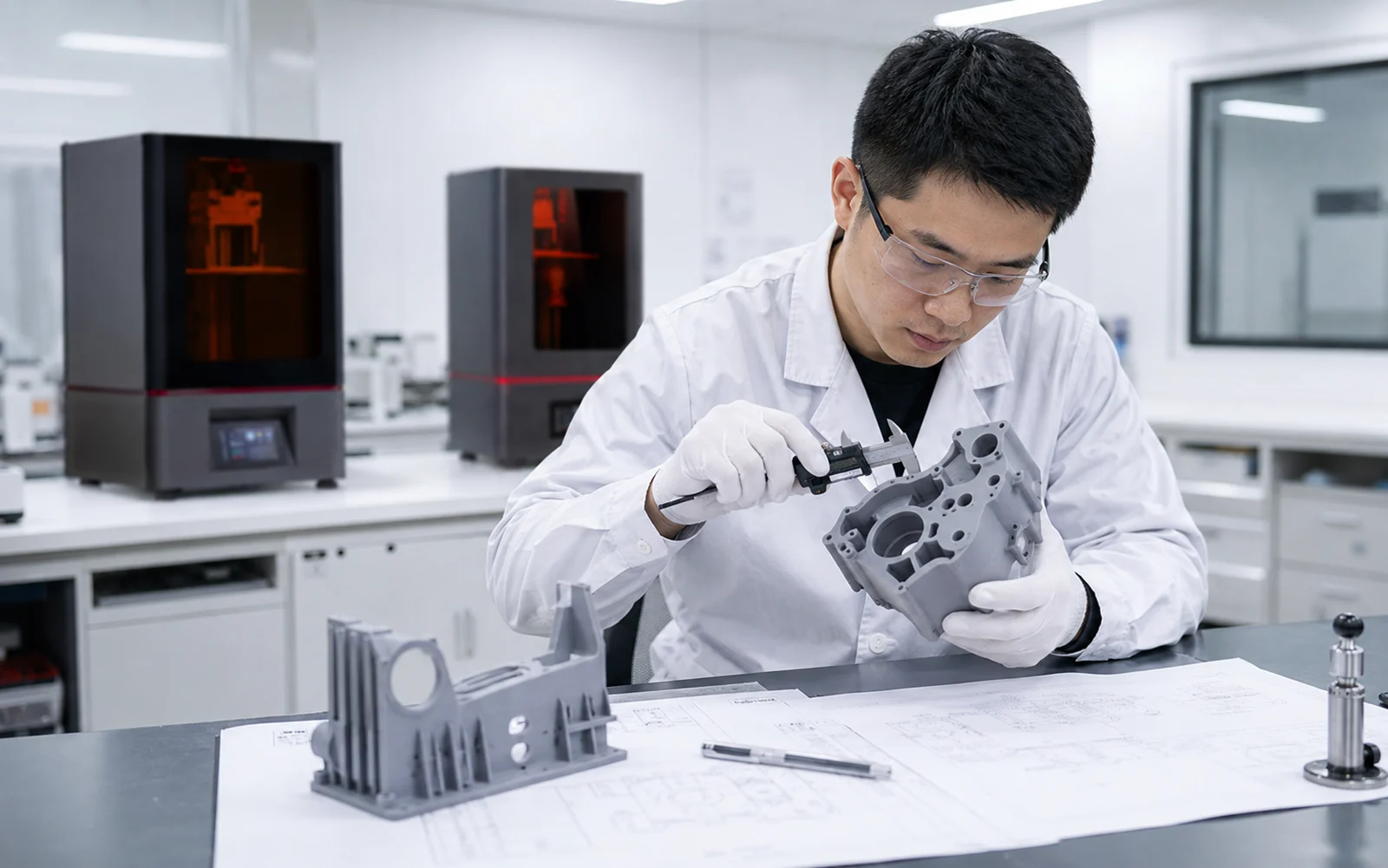
Representative Sample Validation
Validate a representative part before locking in the workflow
Sample printing connects equipment selection to the actual part. The model, resin, build preparation, post-processing and inspection plan should be adjusted around the application rather than treated as one universal setting.
- Model & Requirements
- Printer / Resin Matching
- Build Preparation
- Printing
- Washing
- Complete Drying
- UV Post-Curing
- Inspection
Inspection may focus on overall dimensions, holes and slots, wall sections, surface condition, assembly interfaces, visible features and repeatability where the production task requires it.
Materials & Workflow
Treat the printer, resin and post-processing steps as one system
The same printer can produce different results with different resin families, build preparation and post-curing conditions. Material suitability should be checked against the part's function, the printer's compatibility and the full handling workflow.
Resin Materials
Review YIDIMU photopolymer resin options and select by application, printer compatibility and representative sample testing.
View Resin Materials →UV Post-Curing
Resin parts require appropriate washing, complete drying and post-curing as part of the finished-part workflow.
View Post-Processing Equipment →Application Examples
Review industrial prototyping, sample verification and other current YIDIMU application routes before choosing a system.
Explore Applications →Project Review
Share model size, material needs, quantity, surface expectations and critical features for a more useful recommendation.
Contact YIDIMU →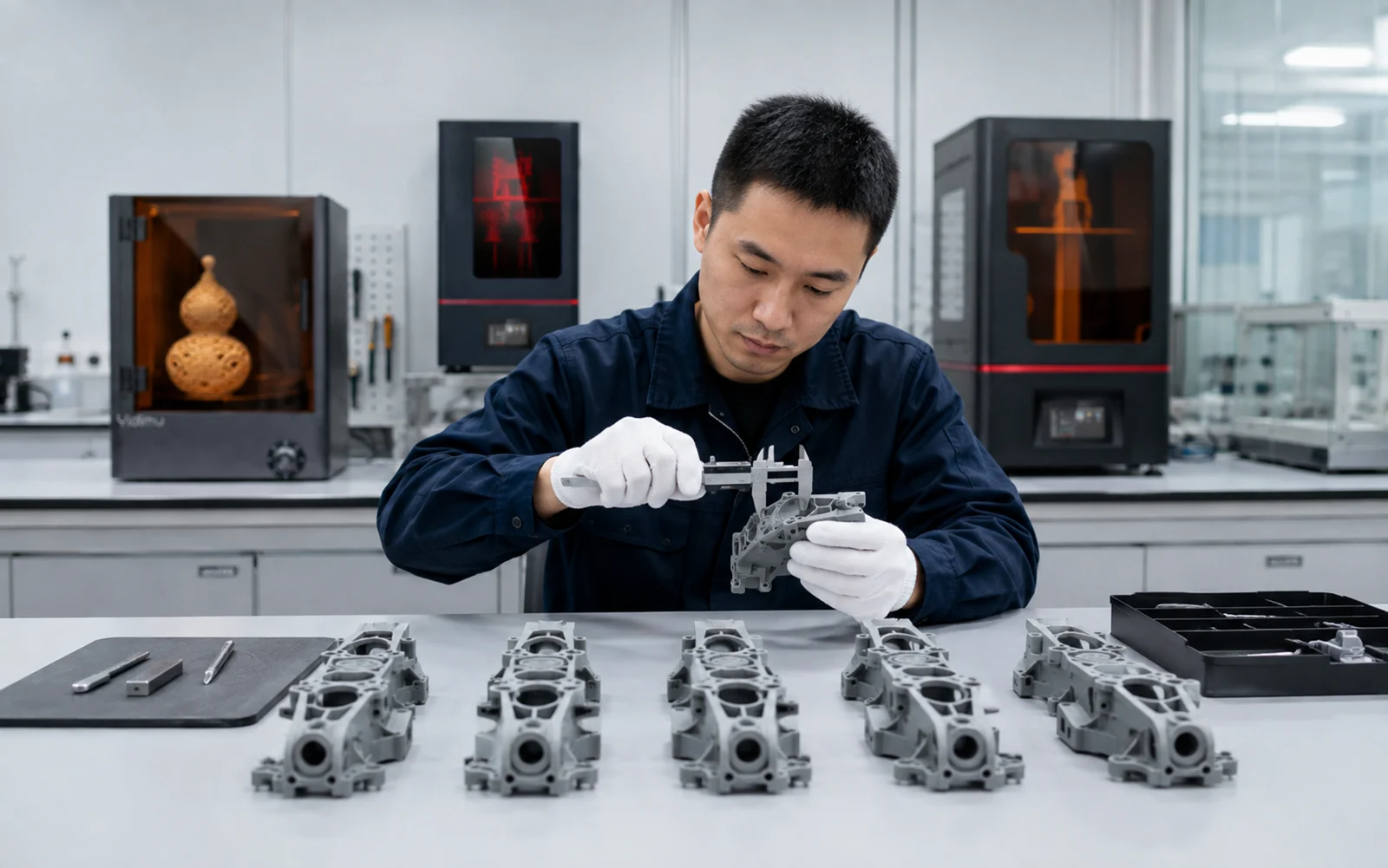
From Prototype to Suitable Low-Volume Production
Use repeatable validation criteria when the quantity increases
Resin printing can support suitable low-volume and customized production workflows when the part geometry, material, layout, post-processing effort, inspection requirements and economics fit the project. A small representative batch is useful for checking the complete workflow before a larger commitment.
- Build layout and part spacing
- Support and removal strategy
- Post-processing capacity
- Dimensional checkpoints
- Visible surface criteria
- Part-to-part consistency
Why YIDIMU
Equipment, materials and application support from one 3D printing company
YIDIMU is based in Shenzhen and develops industrial resin 3D printing equipment alongside photosensitive resin materials, UV curing equipment and application-based support for professional users.
Industrial LCD systems
Current industrial offerings include M1 and M2 platforms for different build-size requirements.
Material matching
Printer selection can be evaluated together with resin requirements rather than as an isolated hardware decision.
Post-processing support
UV curing equipment and workflow guidance support the steps required after resin printing.
Model-based discussion
Customers can submit application and part requirements for equipment, material and workflow evaluation.
FAQ
Industrial resin 3D printer selection
Which YIDIMU industrial printer fits my part?
Start with the model's overall dimensions, geometry, critical features, resin requirement, quantity, surface expectations and finished-part function. M1 and M2 have different build volumes, so the physical part and layout requirement should lead the decision.
Should I choose Eternal M1 or Eternal M2?
M1 publishes a 298 × 165 × 370 mm build volume, while M2 publishes 353 × 198 × 400 mm. M2 provides more build space. The better choice still depends on the part, resin, layout and workflow rather than build volume alone.
Can I submit my own 3D model for evaluation?
Yes. YIDIMU's current contact route asks customers to share application, build-size, material, accuracy and purchasing requirements. Supplying the model and critical features can make the technical discussion more specific.
Which resin should I use?
Choose resin according to the required part behavior, printer compatibility, post-processing method and final use. Material performance can vary with settings, curing conditions, geometry and handling, so representative testing is recommended before committing to a production workflow.
Can resin printing support low-volume production?
It can support suitable low-volume and customized production when the geometry, material, build layout, post-processing workload, inspection criteria and economics are appropriate. Validate a representative batch before scaling the quantity.
What information is needed for a quotation?
Send the model or key dimensions, required material or part behavior, quantity, critical features, surface requirements, fit or dimensional requirements and intended application. Use the current YIDIMU contact page for project submission.
Start Your Project
Send Us the Part You Need to Print
Share enough information to evaluate build size, resin, process and inspection needs before choosing an industrial resin 3D printer.
- 3D model or key dimensions
- Material requirement
- Quantity
- Critical features
- Surface / fit requirements
- Intended application